

The Most Common Parts Homeowners Replace After Residential Backflow Testing
Backflow testing is designed to confirm that a device is doing its job, which is protecting potable water from contamination. But for contractors and service providers, testing often leads directly to repair work. Failed tests typically point to wear, debris, or component failure inside the assembly, and that means parts need to be replaced quickly to restore compliance.
For companies handling residential backflow testing and repair, knowing which parts fail most often and having them readily available can make the difference between a same-day fix and a delayed job.
Why Parts Fail After Backflow Testing
Backflow assemblies operate under constant pressure and are exposed to water conditions that vary widely depending on the region. Over time, internal components wear down or become compromised by debris, mineral buildup, or corrosion.
Common causes of failure include:
- Normal wear on rubber components
- Sediment or debris interfering with sealing surfaces
- Springs losing tension over time
- Internal corrosion in older assemblies
Testing doesn’t create the problem. However, it often reveals potential problems. Once a device fails, replacement of specific internal parts is often all that’s needed to restore proper function.
Check Valves and Internal Components
One of the most common repair points is within the check valve assemblies. These components are responsible for maintaining proper directional flow and preventing backpressure or backsiphonage conditions.
Inside the check valves, several smaller parts tend to wear out first:
- Rubber discs or seals
- Springs
- Seats and guides
Even minor wear in these areas can lead to pressure loss or failure during testing. Replacing these components can often bring the assembly back into compliance without requiring a full replacement.
For contractors, having access to the correct rebuild kits or individual internal components is critical. Time spent tracking down parts can slow down service and impact scheduling across multiple jobs.
Relief Valve Components
In reduced pressure zone (RPZ) assemblies, the relief valve plays a key role in protecting the system. When pressure conditions change, this valve opens to discharge water and prevent contamination from entering the supply.
Over time, relief valve components can become:
- Worn or brittle
- Misaligned due to repeated cycling
- Affected by debris buildup
When a relief valve isn’t sealing properly, it can lead to visible discharge or test failure. In many cases, replacing diaphragms, springs, or seals resolves the issue quickly. Because these failures are common, keeping relief valve repair components on hand helps ensure that jobs can be completed without unnecessary delays.
Popular Assemblies and Replacement Needs
Certain backflow assemblies show up repeatedly in residential service work, which makes familiarity with their replacement parts even more important. One widely used example is the 975xl2 Wilkins, known for its reliability in residential and light commercial applications.
Even with dependable models, routine wear still affects internal components over time. Contractors frequently need:
- Complete repair kits
- Check assembly replacements
- Relief valve rebuild components
Having quick access to parts for commonly installed assemblies allows technicians to move efficiently from testing to repair without leaving the jobsite.
Shutoff Valves and External Hardware
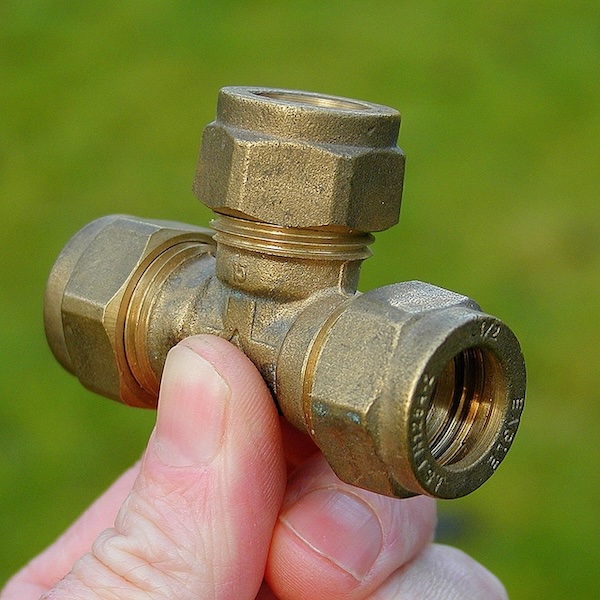
Photo by Eugene_Brennan on Pixabay
While internal components are often the focus, external hardware can also contribute to failed tests or operational issues. Shutoff valves, in particular, can wear down or become difficult to operate over time.
Common issues include:
- Leaks at valve seals
- Difficulty achieving a full shutoff
- Corrosion affecting performance
Replacing or repairing these components ensures the entire assembly functions correctly during both testing and normal operation. Other external hardware, such as fittings, fasteners, and connection points, may also require attention, especially in older installations.
Protective Cages and Equipment Protection
In residential settings, backflow assemblies are often installed outdoors where they are exposed to potential damage. Protective cages are a practical addition that helps prevent tampering, accidental impact, or vandalism.
For service providers, recommending or installing protective cages can:
- Extend the life of the assembly
- Reduce repeat service calls due to damage
- Improve overall system reliability
While cages are not a repair component in the traditional sense, they play an important role in protecting the investment homeowners have already made in their backflow prevention system.
Why Fast Access to Parts Matters
One of the biggest challenges in backflow repair work is timing. Testing often happens on a schedule tied to compliance requirements, and failures need to be addressed quickly.
Delays in being able to source the parts you need for repairs can lead to frustrated customers, rescheduling issues, or not being able to repair a backflow device in a timely manner. On the other hand, having reliable access to commonly needed components allows contractors to complete repairs on the spot or within a tight timeframe. This not only improves efficiency but also strengthens customer trust.
Being able to move from test to repair without interruption is a major advantage, especially during peak testing seasons when demand is high.
Building a Reliable Supply Strategy
For backflow testing and repair companies, having a dependable source for parts is just as important as having the right tools or training. A strong supply strategy ensures that the most commonly needed components are always within reach.
This includes:
- Stocking frequently used repair kits
- Knowing which assemblies are most common in your service area
- Partnering with a supplier that can deliver quickly when inventory runs low
When supply is consistent, service becomes more predictable. That reliability benefits both contractors and their customers.
Let One Stop Backflow Supply Be Your Supplier for Residential Backflow Testing
Backflow testing often uncovers issues that are straightforward to fix as long as the right parts are available. From internal check valve components to relief valve repairs and protective upgrades like cages, these common replacements play a key role in keeping residential systems compliant and functional.
At One Stop Backflow Supply, we understand how important speed and availability are when you’re handling repairs. We provide quick access to the parts you need so you can move from testing to completion without delays. Contact us today to keep your jobs moving and your inventory ready.