

How to Prep Your Backflow Setup for Residential Backflow Testing Without Last-Minute Runs
Preparing for residential backflow testing involves more than scheduling a tester and hoping everything passes. For homeowners, plumbers, and backflow professionals alike, the biggest delays often come from overlooked parts, worn assemblies, missing repair kits, or unexpected failures discovered during testing. When replacement components are not readily available, a simple inspection can quickly turn into multiple supply runs, rescheduling, and unnecessary downtime.
A more organized approach can help avoid those problems. By reviewing the assembly ahead of time, checking common wear components, and keeping frequently needed repair parts available, it becomes much easier to handle repairs efficiently if issues are uncovered during testing.
Start with a Visual Inspection Before Testing Day
One of the simplest ways to reduce surprises is to inspect the backflow assembly several days before the scheduled test. Even a basic visual review can reveal obvious problems that may require attention.
Areas worth checking include:
- Signs of corrosion
- Water leakage around relief valves
- Damaged shutoff valves
- Missing test cocks or caps
- Cracked fittings
- Physical damage from weather or landscaping equipment
If the assembly has visible wear or has not been serviced in years, there is a higher chance repairs may be necessary after testing begins.
It is also helpful to verify the manufacturer and model number beforehand. Many assemblies require model-specific repair kits, check assemblies, rubber components, or relief valve parts. Waiting until the day of testing to identify those details often creates delays.
Know Which Parts Commonly Fail
Certain backflow components experience wear more frequently than others. Understanding which parts commonly require replacement can help technicians and property owners prepare ahead of time instead of scrambling for components during the appointment.
Frequently replaced items include:
- Check valve rubber components
- Relief valve assemblies
- O-rings and seals
- Shutoff valve handles
- Ball valves
- Bonnet assemblies
- Test cock caps
- Springs and internal hardware
Rubber components naturally wear over time due to water pressure, debris, mineral buildup, and regular operation. In colder climates, freeze damage can also create hidden problems that may not become obvious until testing occurs.
Having repair kits available ahead of time can dramatically reduce delays when a tester identifies a failed component.
Keep Common Repair Kits Readily Available
For contractors and backflow professionals handling multiple properties, keeping a small inventory of common repair kits can save valuable time throughout the testing season.
Some of the most commonly stocked items include:
- Wilkins repair kits
- Watts repair kits
- Febco repair kits
- Ames repair kits
- Apollo repair components
Even within the same manufacturer, assemblies may require different internal parts depending on model size and generation. Verifying compatibility ahead of time helps avoid ordering the wrong kit during a time-sensitive repair.
Many professionals also keep spare:
- Check assemblies
- Relief valves
- Ball valves
- Covers and caps
- Test cocks
Having these available on your service vehicle will help prevent the need for repeat visits or unexpected downtime waiting for repairs.
Pay Attention to Shutoff Valves and Test Cocks
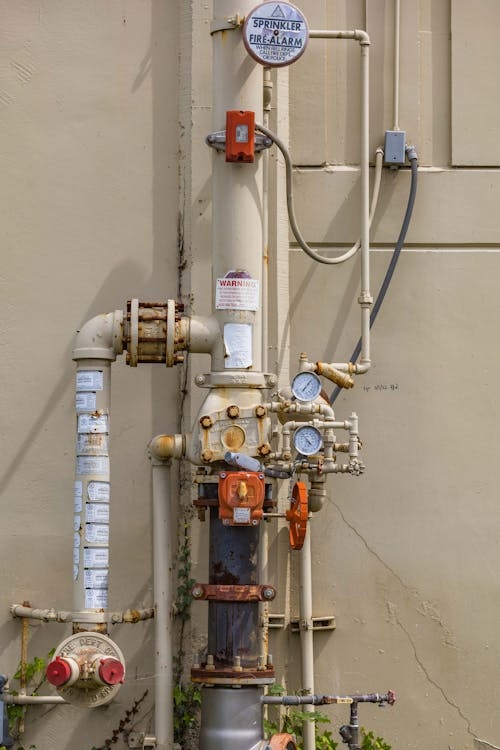
Photo by Robert So on Pexels
Testing problems are not always caused by the backflow preventer itself. Shutoff valves and test cocks often create issues that complicate the testing process. Valves that are seized, leaking, damaged, or difficult to operate may affect accurate testing and may need replacement before certification can be completed.
Common warning signs include:
- Handles that no longer turn smoothly
- Persistent leaking
- Corrosion around valve stems
- Missing caps
- Damaged threads
- Water seepage near fittings
Replacing these smaller components ahead of time is often much easier than discovering problems during the appointment window.
Consider Environmental Exposure
Outdoor residential assemblies deal with constant environmental exposure throughout the year. Sunlight, temperature swings, irrigation overspray, dirt, and freeze conditions can all shorten component lifespan over time.
Protective enclosures and cages can help reduce unnecessary wear while also improving security around the assembly. Assemblies located near landscaping equipment or in exposed areas are especially vulnerable to accidental impact damage.
When preparing for testing, it is worth checking whether:
- Insulation is damaged
- Enclosures are cracked
- Protective cages are loose
- Drainage around the assembly is poor
- Freeze protection remains adequate
Addressing environmental concerns early may help prevent repeat repair issues later.
Avoid Delays by Working with a Reliable Supplier
One of the biggest frustrations during backflow testing is losing time searching for parts after a failed inspection. Some repair delays are caused less by the repair itself and more by the difficulty of finding the correct components quickly.
A reliable backflow supply source can help contractors and technicians:
- Locate compatible repair kits faster
- Access commonly needed assemblies
- Find manufacturer-specific parts
- Reduce multiple supply house trips
- Minimize testing delays
- Improve scheduling efficiency
This becomes especially important during peak testing seasons, when contractors may be handling multiple appointments per day. Fast access to repair parts can also improve customer satisfaction by reducing downtime and avoiding repeat scheduling.
Create a Standard Testing Prep Checklist
Whether managing a single residential assembly or handling multiple properties, having a repeatable prep process helps reduce overlooked issues.
A simple checklist may include:
- Verify assembly manufacturer and model
- Inspect shutoff valves
- Check for visible leaks
- Confirm test cocks are intact
- Review freeze protection
- Verify enclosure condition
- Identify needed repair kits
- Stock common replacement parts
Taking these steps ahead of time can help testing appointments move more smoothly while reducing last-minute interruptions.
Stay Prepared Before Testing Season Arrives
The easiest way to avoid emergency supply runs is to prepare before testing appointments begin stacking up. A proactive approach to assembly inspection, repair planning, and parts availability can help reduce delays and make repairs more manageable when issues arise during residential backflow testing.
If you need dependable access to repair kits, replacement components, valves, test cocks, protective cages, and other backflow supplies, we encourage you to work with us at One Stop Backflow Supply. Our team helps contractors, plumbers, and backflow professionals get the parts they need quickly so testing and repairs can stay on schedule.